
Bison Research & Ecosystem Carbon Storage
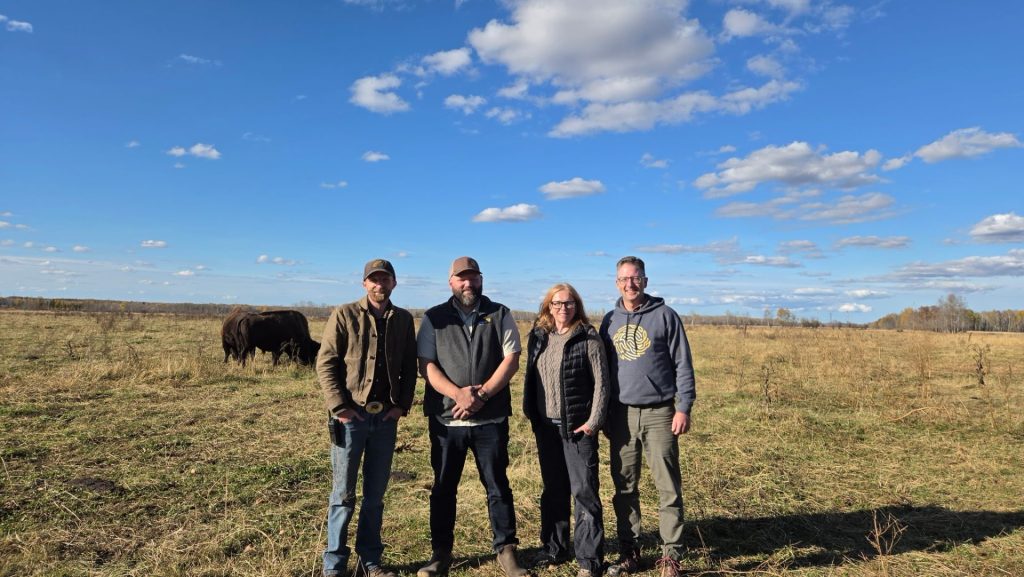
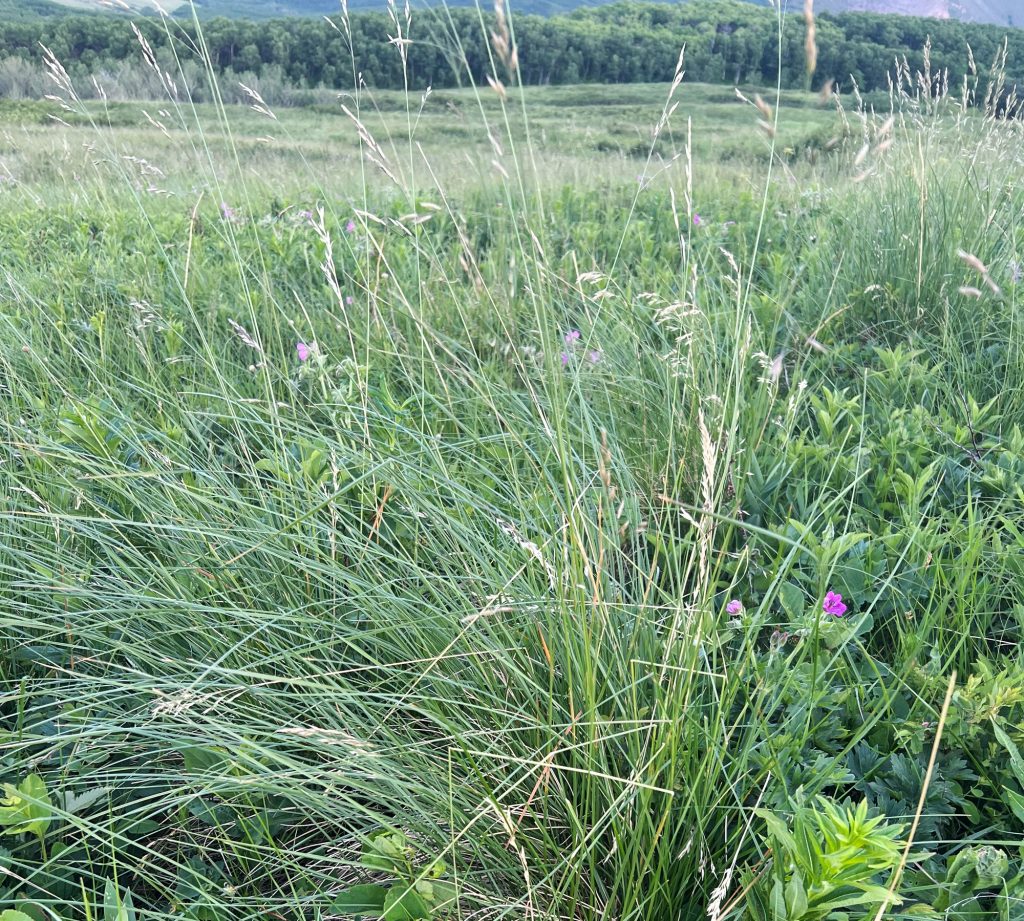
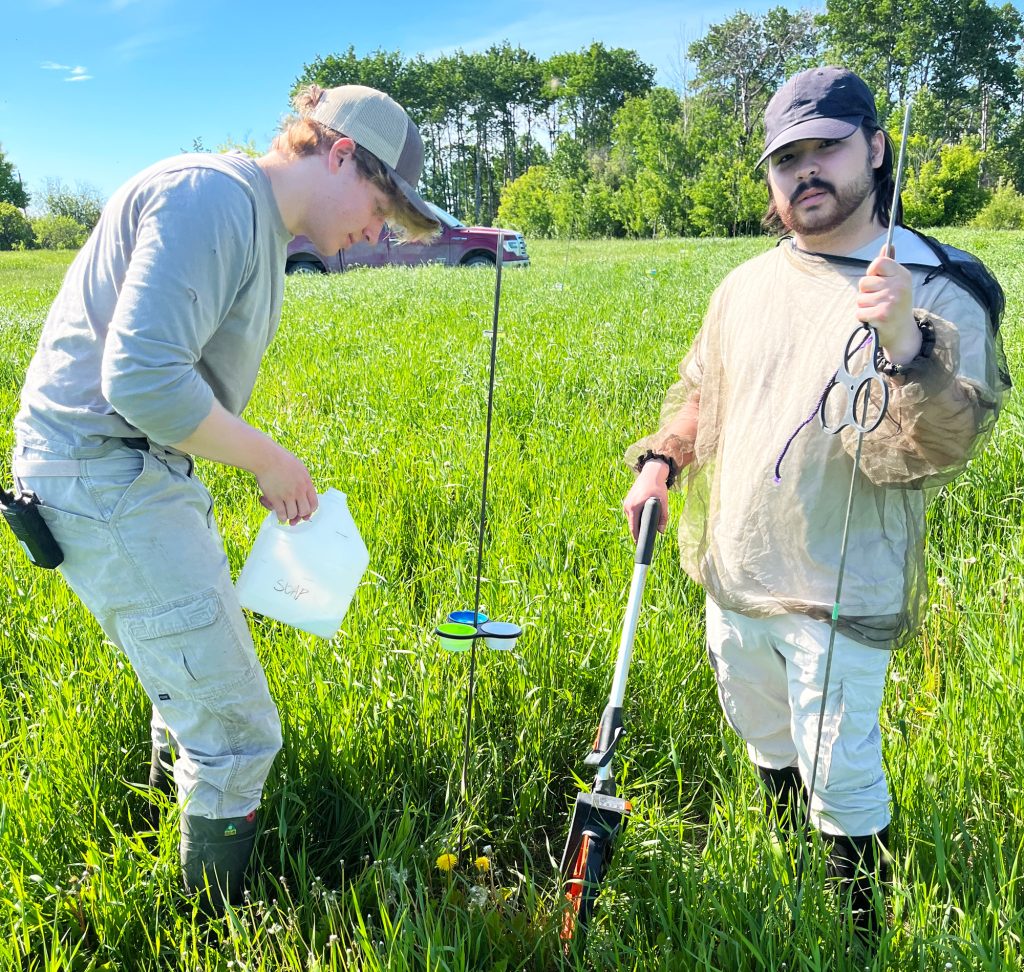
In addition to our monitoring program at Olson Rewilding, we are working on several long-term research projects. Pictured above, University of Saskatchewan undergraduate students and members of our summer monitoring crew (L to R. Sianna, Aizik, and Maria) are collecting vegetative biomass production and soil cores.
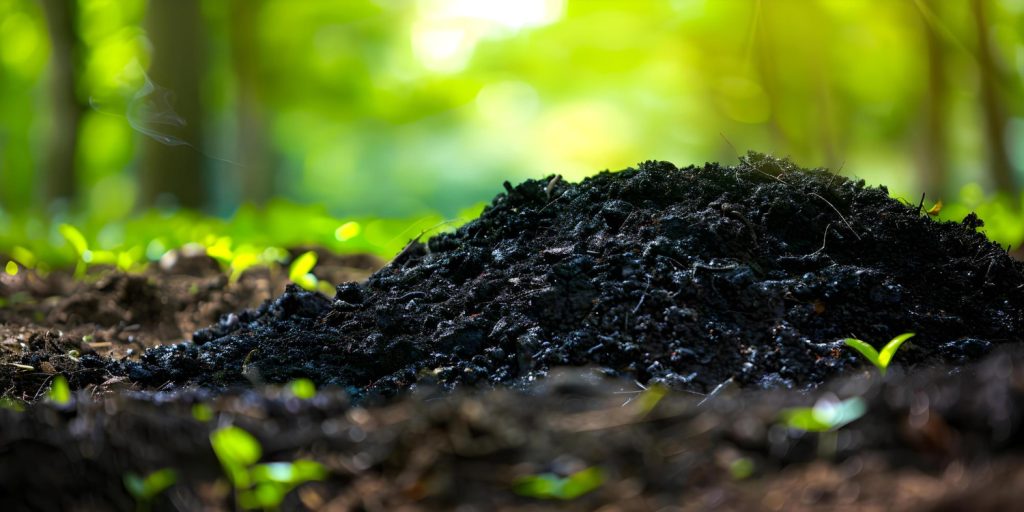
We are participating with Dr. Os Schmitz of the Yale School of the Environment and the Global Rewilding Alliance to investigate the contribution of large herbivores to carbon capture. The concept of attempting to quantify the contribution of herbivores is an emerging theory intended to recognize that large herbivores can be significant contributors to ecosystem carbon storage.
Advancing Carbon Capture Research Through Bison Rewilding
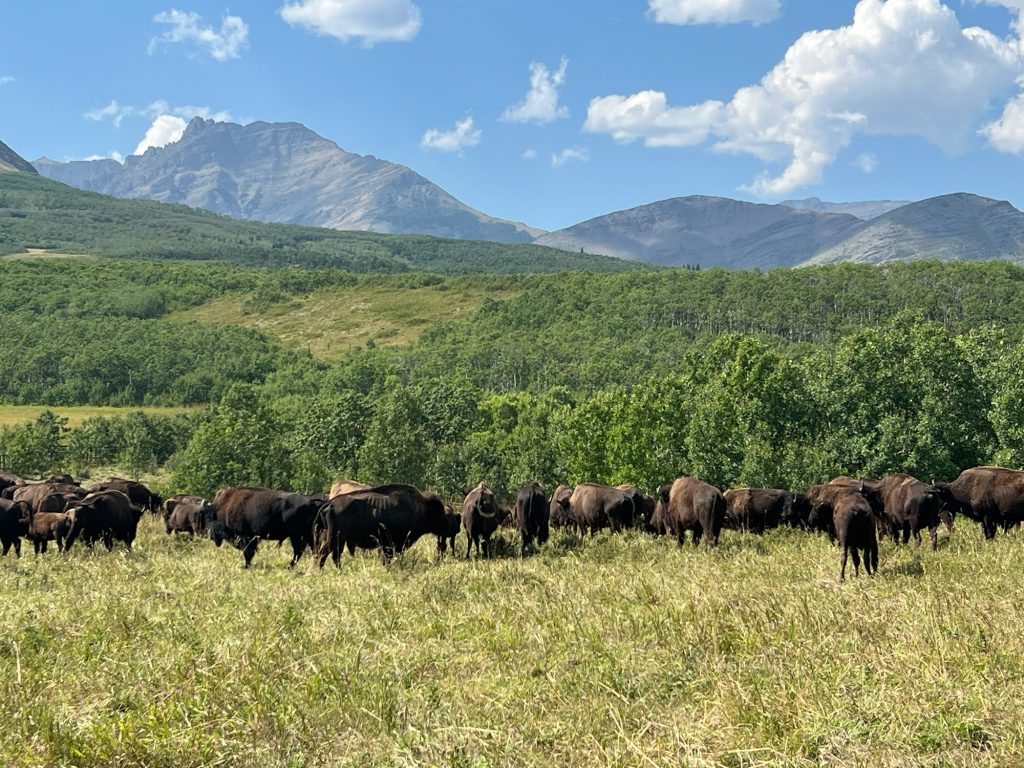
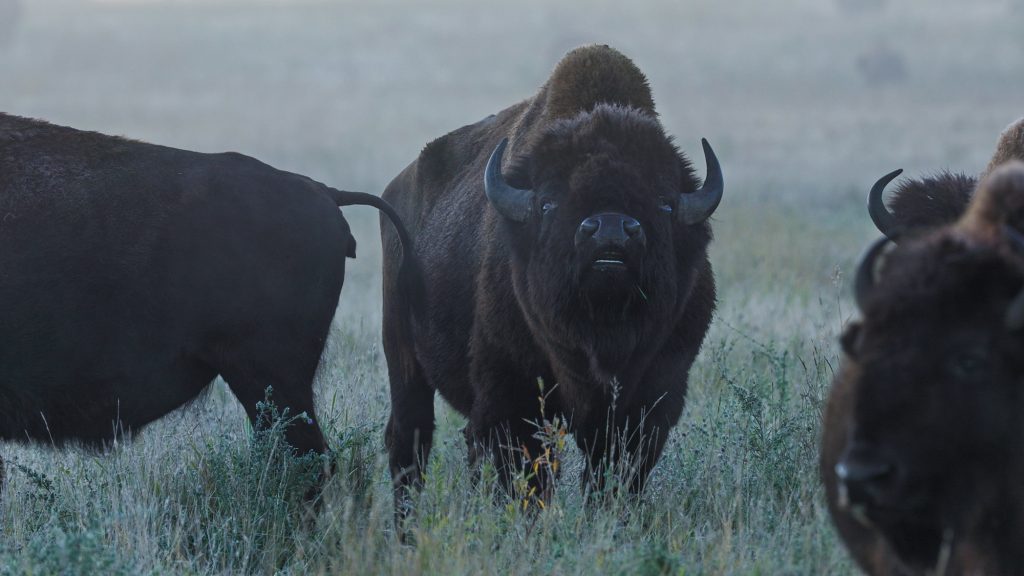
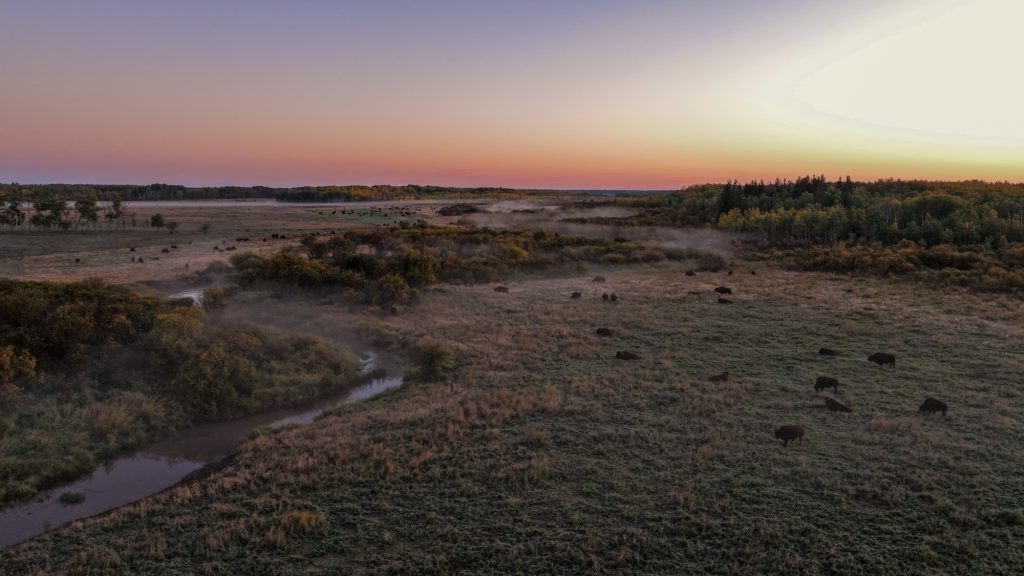
We acknowledge that it may never again be possible to replicate how the once unbelievably massive herds of North American bison concentrated on the landscape, effected perturbation on plant communities and soils, and then moved on, thus facilitating the functionality and rejuvenation of ecological processes — But we do have approximately 6,000 bison that seasonally migrate in a dense herd on the landscape and spend five to twenty-one days on a seasonal landscape while they eat, dung, urinate, make wallows, cultivate the soil and plant seeds with the action of 24,000 hooves.
Studying the Role of Bison in Carbon Capture
Then they migrate on to another landscape to repeat the process. We believe that mimicking this historic relationship of bison to the ecosystem by migration and high-density perturbation enhances carbon capture. Science advances by either disproving an idea, or by strengthening its standing by conducting repeatable tests that can be used to support the idea. We are proud to be doing a small part to help better understand carbon capture and Dr. Schmitz’ Animating the Carbon Cycle theory.