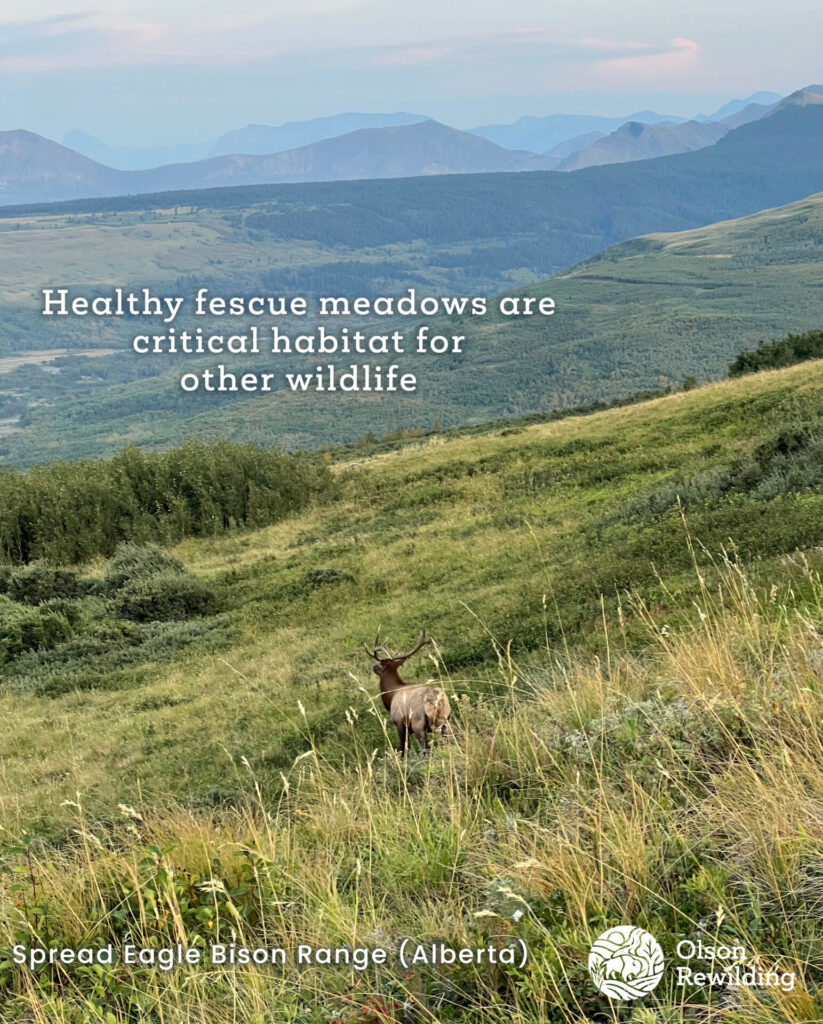

Protecting Alberta’s Native Fescue Grasslands
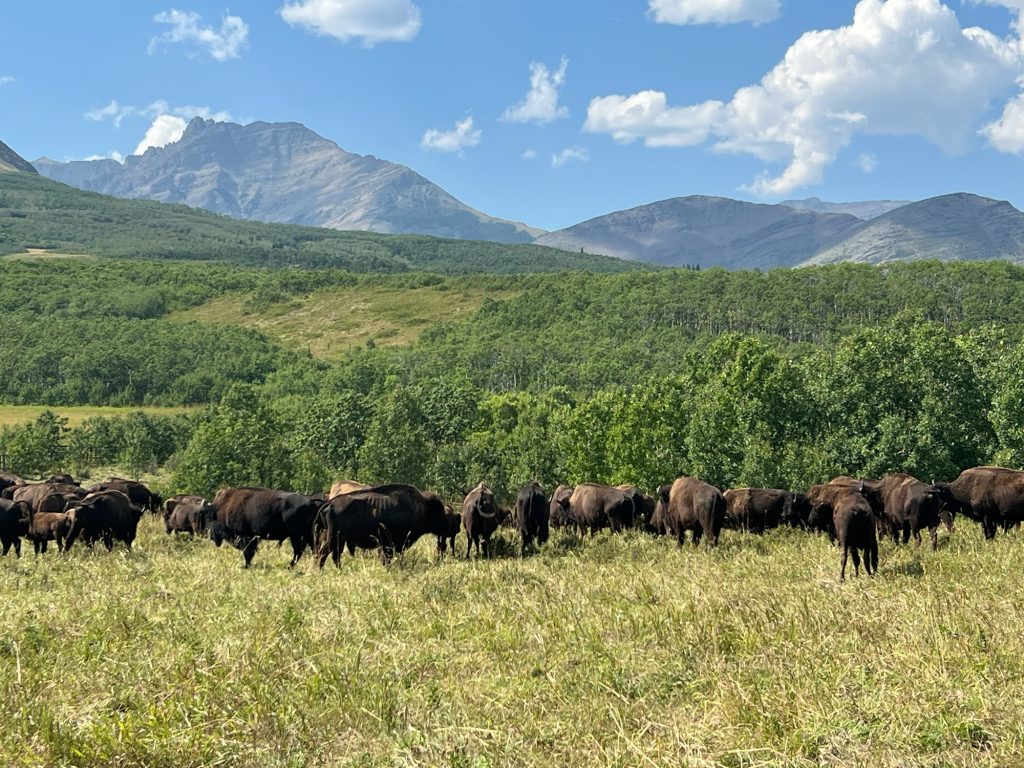
On a recent hike to the headwaters of one of the creeks that flows through the Spread Eagle Mountain bison range in southwestern Alberta, we observed that that fescue was generally less healthy than on the bison range and that the aspen forest was aggressively invading fescue meadows.
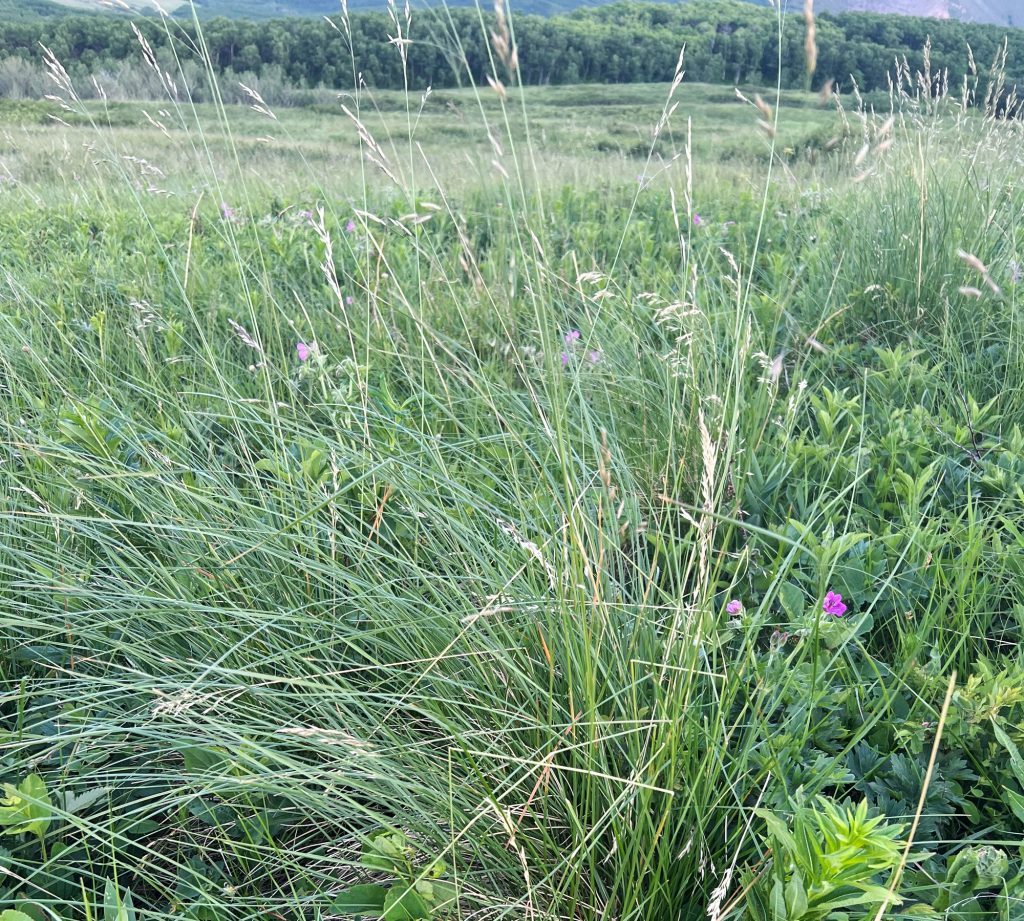
How Winter Bison Grazing Protects Native Fescue
Cattle graze in the headwaters during the summer. The timing of the grazing disadvantages fescue because fescue evolved with bison grazing it in the winter. When grazed only in the winter, fescue is able to photosynthesize during the entire growing season without being clipped, thereby ensuring maximum energy and nutrient production. The high nutrient production supports robust and deep roots to protect the fescue from prolonged droughts and to generate plenty of energy for winter survival and seed set.
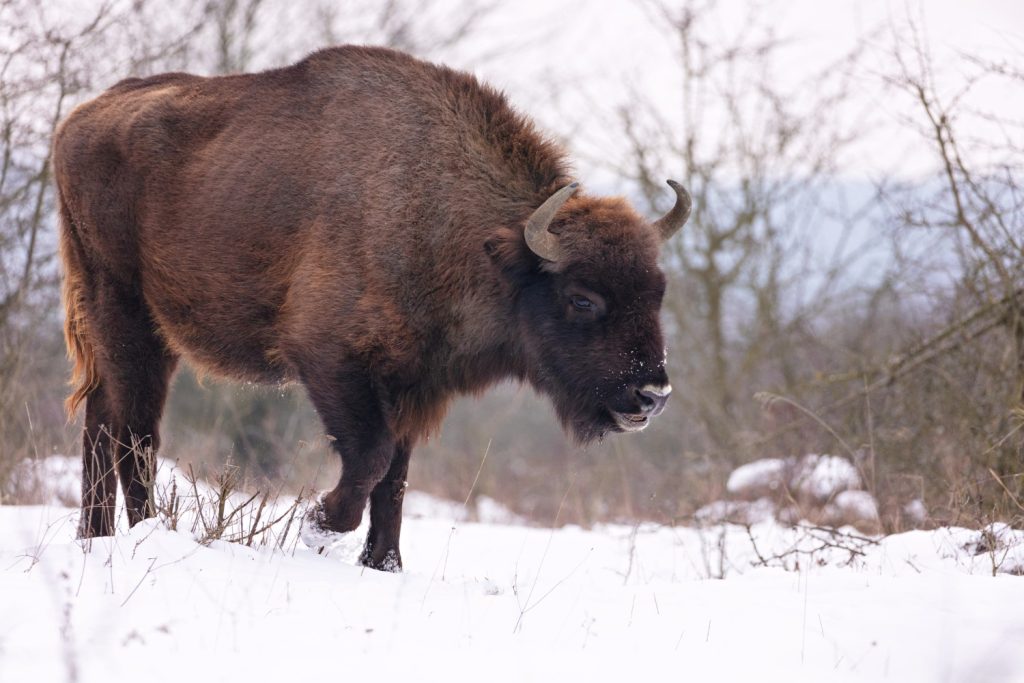
Bison Grazing, Invasive Species & Fescue Recovery
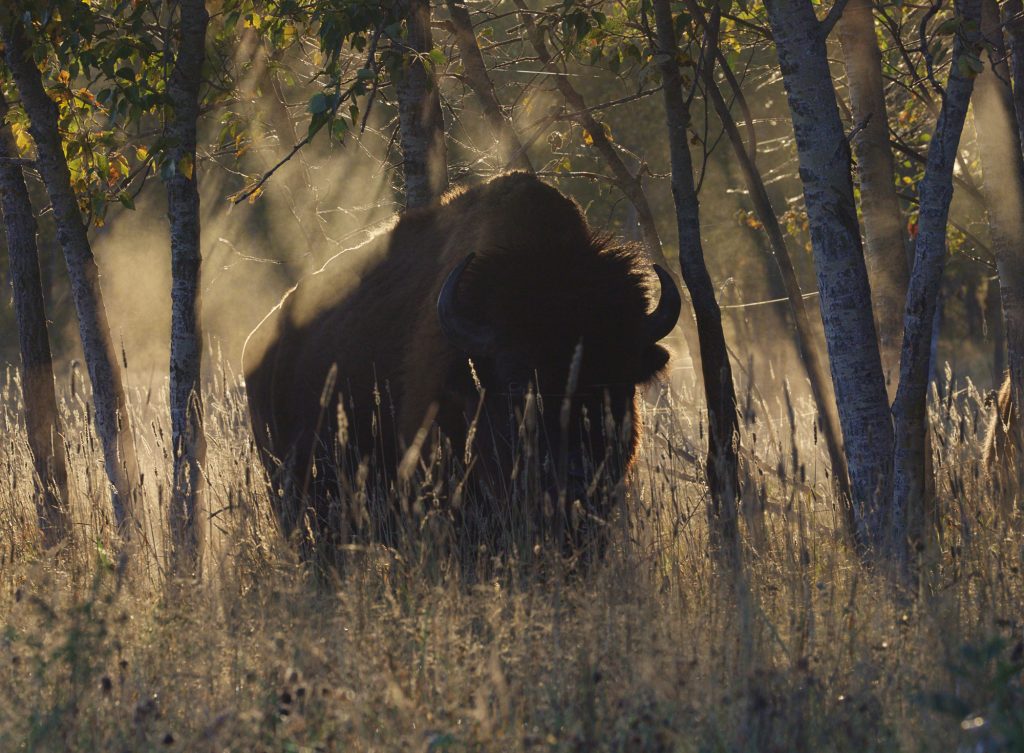
When we bought the ranches that now constitute the Spread Eagle Mountain Bison Range, the grasslands were very unhealthy from years of overgrazing by cattle. Invasive species were replacing the fescue meadows and aspen forests were aggressively encroaching the meadows. The following photos illustrate how bison winter grazing creates healthier fescue meadows. Grazing fescue after it senesces creates healthy plants that can outcompete invasive agronomic grasses and weeds. The photo above also illustrates how bison perturbation reverses forest encroachment helping to save the fescue meadows.