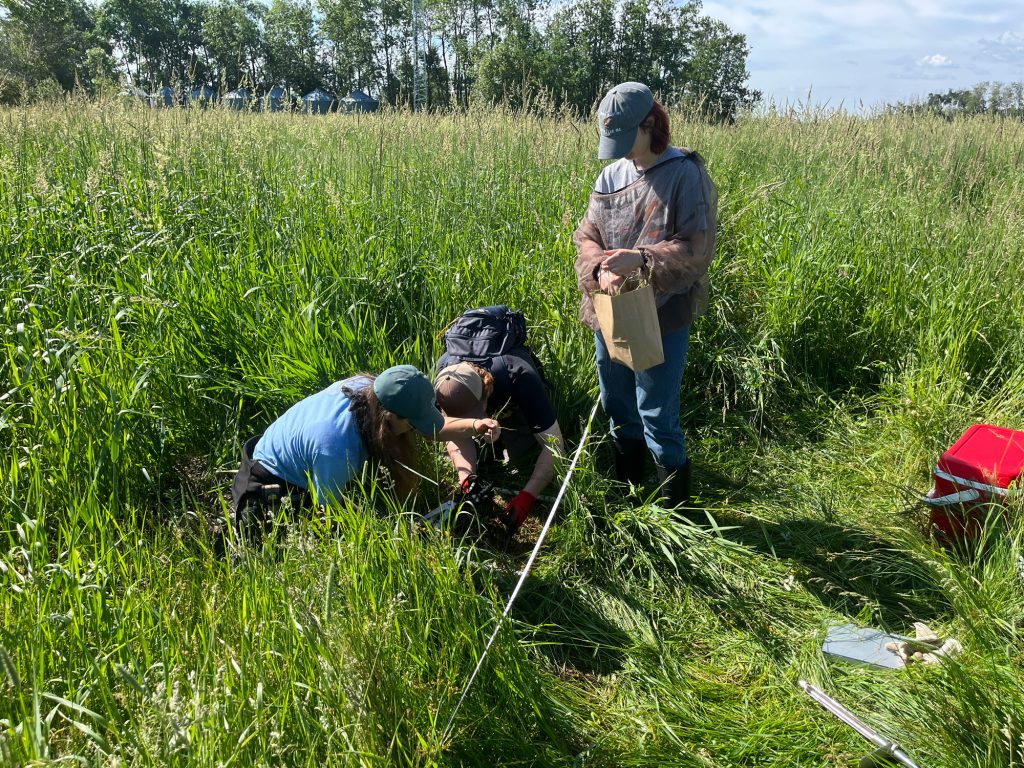
At Olson Rewilding, rewilding the land it stewards is possible largely in part to its ongoing commitment to building and enhancing strong community connections. Meaningful community engagement is essential to advancing bison rewilding with community stakeholders, restoring prairie ecosystems, and facilitating a shared space where people and nature thrive together.
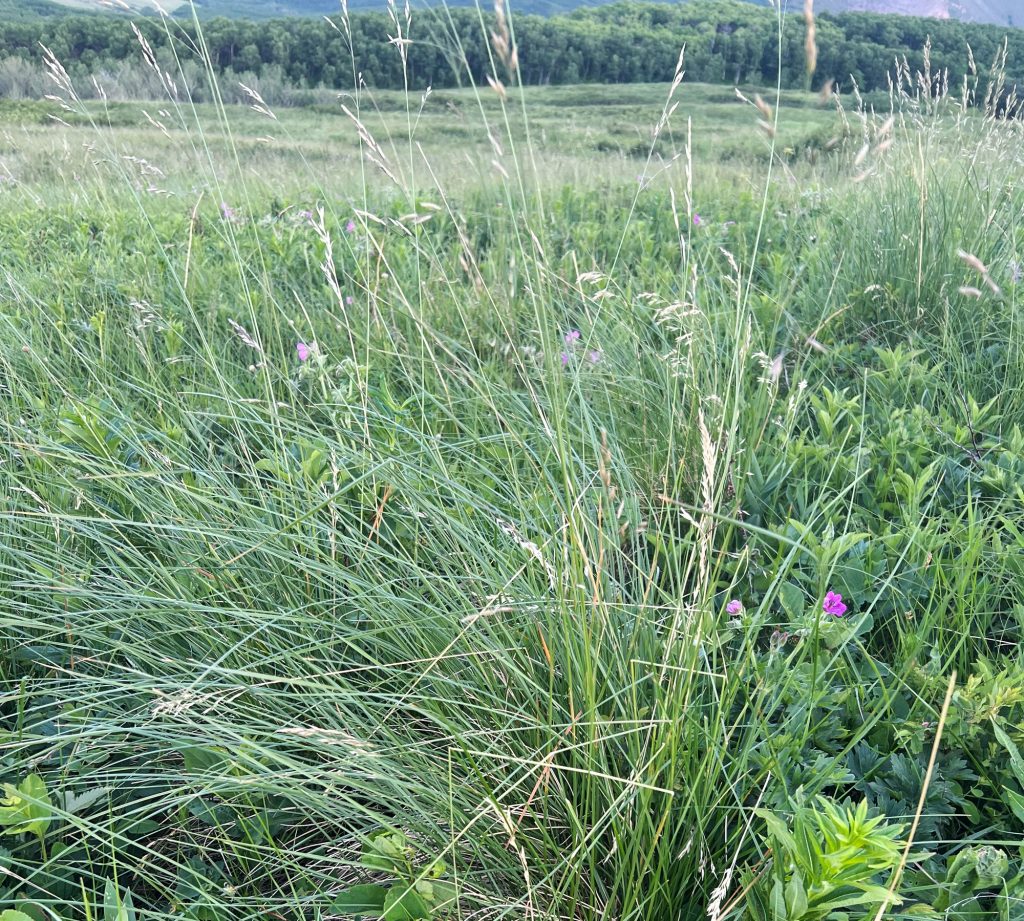
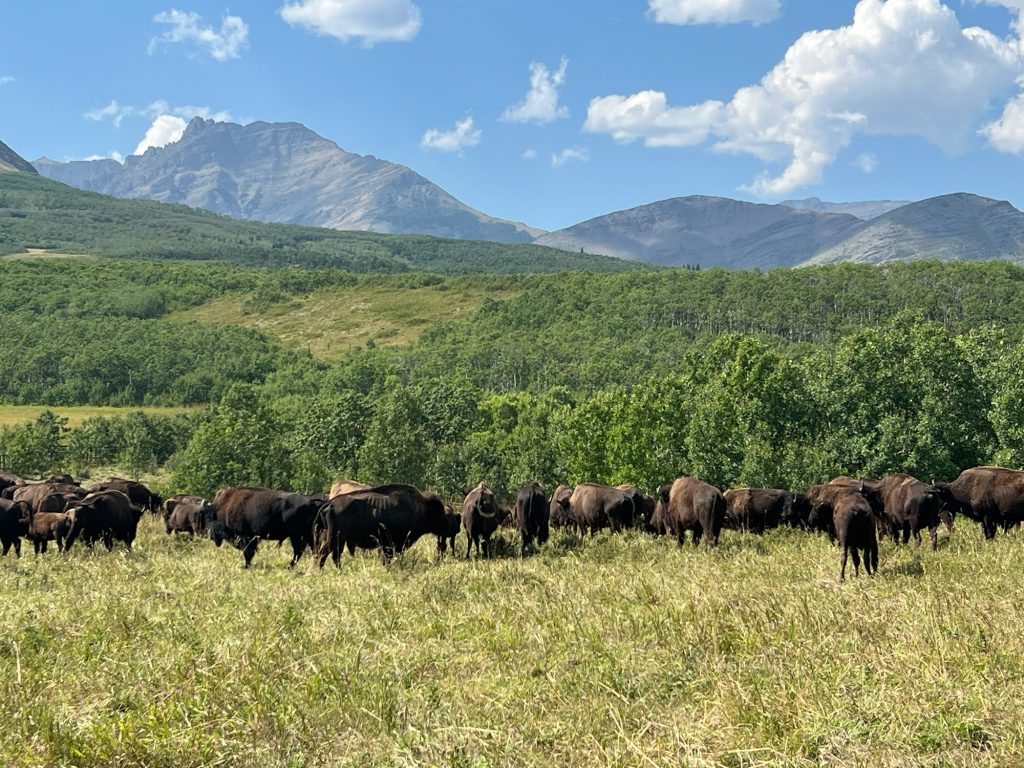
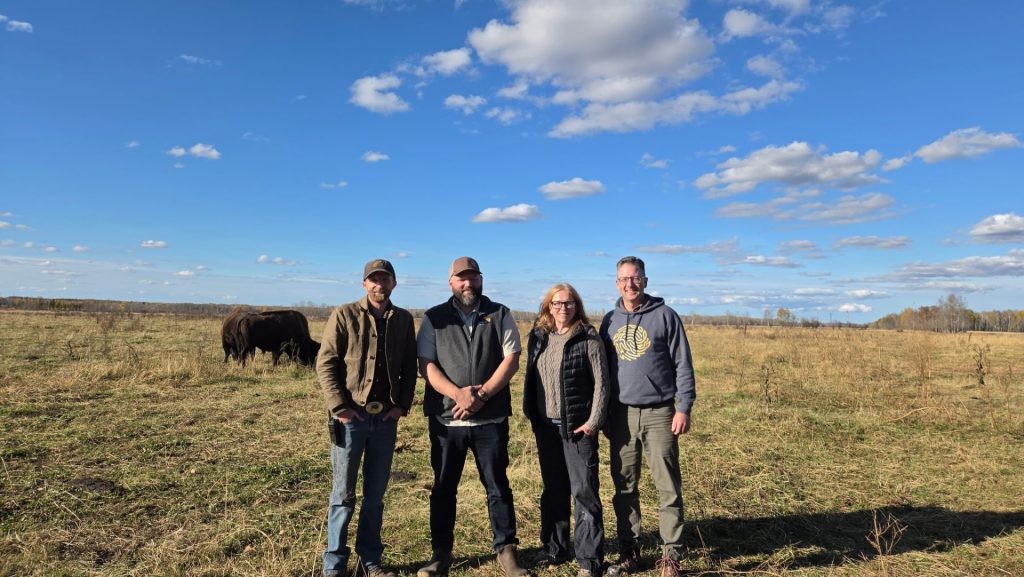
Most recently, Olson Rewilding’s Hyrum Olson welcomed the leadership team from Manitoba Habitat Conservancy (MHC) to the range. MHC is a Manitoba-based charitable organization dedicated to conservation, restoration, and enhancement of fish and wildlife habitat since 1986. The group spent a warm fall day in mid-October touring Olson Rewilding’s sprawling 100,000-acre range in Pine River, Manitoba. Home to 6,000 wild bison, one of the largest herds in the world, the MHC team got to see firsthand how the keystone species is restoring historic resilient prairie ecosystems that are increasing biodiversity of prairie plants and wildlife, including birds and insects, and enriching the soil with healthy soil biota and carbon sequestration.
“The prairie ecosystem evolved in lockstep with bison, and seeing firsthand how these animals interact with and shape the landscape was remarkable,” shares Stephen Carlyle, Chief Executive Officer of Manitoba Habitat Conservancy. Carlyle was joined by the conservancy’s Roald Stander, Director of Conservation Partnerships and Carol Graham, Director of Conservation.
“While cattle have become important stewards of our grasslands and continue to play a critical role in conservation outcomes, the Olson Rewilding project demonstrates the unique ecological role that bison can play. The tour was an amazing educational opportunity for me to help bridge my gap between theory and experience. It sure isn’t an everyday occurrence to stand mere feet from these curious prairie creatures and see how they just seem to belong.”
It’s that kind of experience that never gets old for Hyrum Olson who led the tour for MHC. “Seeing images and video of our wild bison herd rewilding the land is one thing, but seeing the bison once again in their natural habitat is an entirely transformative experience,” said Olson. “We’re always grateful to engage community partners who are genuinely curious about the benefits of bison-led rewilding with a shared vision to stewarding the land responsibly for generations to come.”
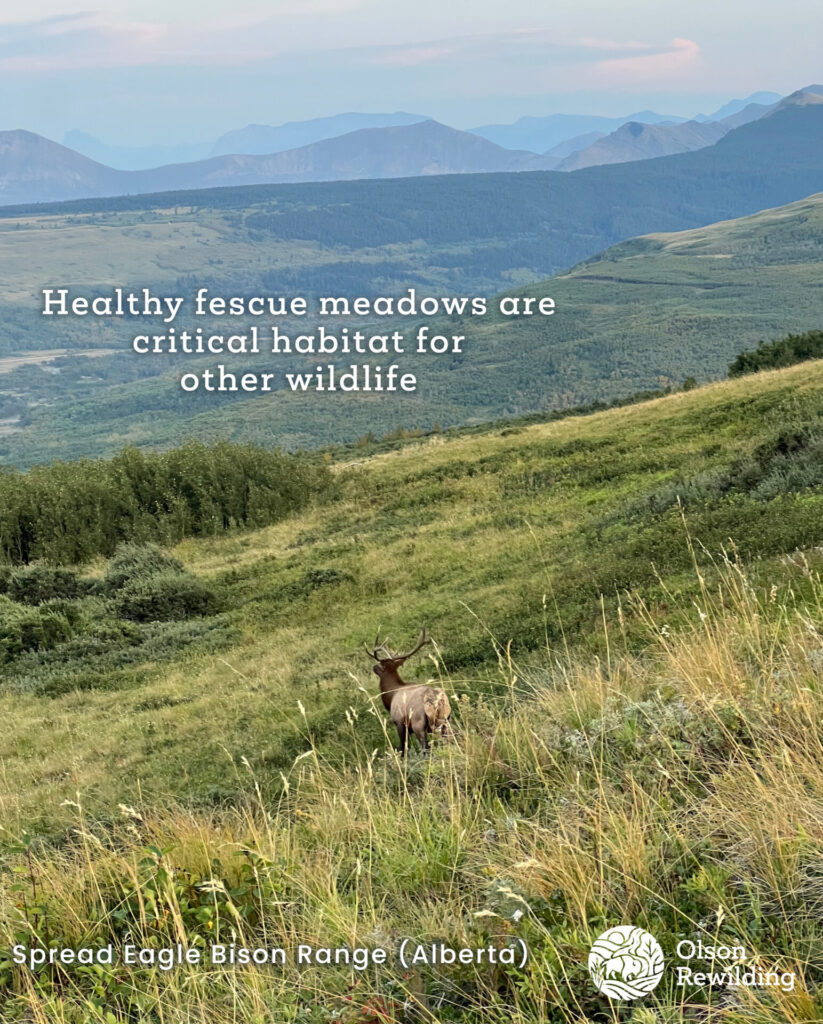
Over the decades, at both its Pine River range and its Spread Eagle Mountain bison range in southwestern Alberta, Olson Rewilding has brought together landowners, Indigenous neighbours, conservation organizations, researchers, government representatives, and community members. “These connections help build understanding of the ecological importance of bison, encourage the exchange of knowledge and experiences, and strengthen the collective commitment to healthy, resilient landscapes,” confirms Olson.
A sentiment that was abundantly on display and immediately appreciated by the MHC team. “The scale of the Olson Rewilding Project is impressive, but what stays with you is the passion. Hyrum and Tom Olson have dedicated themselves to restoring a landscape that evolved alongside bison and seeing that relationship firsthand was both educational and inspiring,” says Carlyle. “Experiences like this help people understand why rewilding matters and how healthy ecosystems benefit us all.”
MHC’s tour of the Pine River bison range was just the start of a shared goal of restoring landscapes in Manitoba through ecological restoration. Both parties will continue to stay in-touch and continue conversations about working together in the months and years ahead.
To learn more about Manitoba Habitat Conservancy, visit https://mbhabitat.ca
To learn more about Olson Rewilding, visit https://olsonrewilding.org